How Accurate Trauma Coding Saves Lives and Improves Reimbursement
Accurate Trauma Coding
In the fast-paced environment of emergency medicine and trauma care, every second counts. While medical professionals focus on stabilizing patients and providing life-saving interventions, there’s another critical process happening behind the scenes that significantly impacts both patient outcomes and healthcare economics: trauma coding. The accuracy of this coding system serves as a vital bridge between clinical excellence and financial sustainability, ultimately determining how well healthcare facilities can continue to provide exceptional trauma care.

Understanding Trauma Coding: More Than Just Numbers
Trauma coding represents a sophisticated system that translates complex medical scenarios into standardized codes that communicate the severity, mechanism, and treatment requirements of traumatic injuries. These codes, primarily based on the International Classification of Diseases (ICD) system and Current Procedural Terminology (CPT) codes, serve multiple purposes beyond simple documentation.
The trauma coding process begins the moment a patient arrives at the emergency department. Trained coders work closely with physicians, nurses, and other healthcare providers to capture every relevant detail of the patient’s condition, the interventions performed, and the resources utilized during treatment. This meticulous documentation creates a comprehensive picture that extends far beyond the immediate medical response.
At its core, trauma coding serves as a universal language that allows healthcare providers, insurance companies, researchers, and policymakers to understand and compare trauma cases across different facilities and regions. This standardization enables evidence-based improvements in care protocols and helps identify trends that can inform public health initiatives.
The Life-Saving Impact of Precise Coding
The relationship between coding accuracy and patient outcomes extends far beyond administrative convenience. When trauma cases are coded correctly, the resulting data provides invaluable insights that directly contribute to saving lives through multiple mechanisms.
Accurate trauma coding enables healthcare facilities to identify patterns in injury mechanisms and outcomes, leading to targeted prevention programs. For instance, when coding data reveals a spike in motorcycle accidents during certain weather conditions or times of day, public health officials can implement targeted safety campaigns. Similarly, coding accuracy helps hospitals recognize which treatment protocols produce the best outcomes for specific types of injuries, leading to evidence-based improvements in clinical care.
The coding process also plays a crucial role in resource allocation and staffing decisions. When hospitals can accurately track the types and severity of trauma cases they encounter, they can better prepare for future emergencies by ensuring appropriate staffing levels, equipment availability, and specialized training programs. This preparation directly translates to improved response times and better patient outcomes when critical situations arise.

Furthermore, accurate trauma coding contributes to the development and refinement of trauma scoring systems that help medical teams quickly assess injury severity and prognosis. These scoring systems, which rely heavily on coded data from thousands of cases, enable rapid decision-making in emergency situations and help determine the most appropriate level of care for each patient.
Research initiatives that depend on coded trauma data have led to breakthrough discoveries in trauma care, including improved techniques for managing traumatic brain injuries, more effective protocols for controlling hemorrhage, and better understanding of how different patient populations respond to various treatments. Without accurate coding, these research efforts would lack the robust data foundation necessary for meaningful conclusions.
Financial Implications: The Reimbursement Reality
The financial health of trauma centers depends heavily on accurate coding practices, as these codes directly determine reimbursement levels from insurance providers and government programs. Trauma care is inherently resource-intensive, requiring specialized equipment, highly trained personnel, and immediate availability of multiple medical specialties. The ability to secure appropriate reimbursement through accurate coding often determines whether a facility can maintain its trauma center designation and continue providing these critical services to the community.
Undercooding, where the severity or complexity of a case is not fully captured in the coding process, represents a significant financial threat to healthcare facilities. When traumatic injuries are coded as less severe than they actually are, or when complex procedures are documented with codes that don’t reflect their true complexity, hospitals miss out on legitimate reimbursement opportunities. This shortfall can amount to thousands of dollars per case and millions annually for busy trauma centers.
Conversely, overcoding, where cases are coded more severely than clinically justified, can lead to audits, penalties, and damage to a facility’s reputation with payers. This practice not only poses legal and ethical concerns but can also result in long-term financial consequences that far exceed any short-term gains.
The complexity of trauma cases often involves multiple body systems, various procedures performed by different specialists, and extended lengths of stay that require careful documentation to ensure complete and accurate reimbursement. Emergency surgeries, intensive care monitoring, rehabilitation services, and follow-up care all need to be properly coded to reflect the true cost and complexity of trauma care.

Insurance companies and government payers increasingly scrutinize trauma claims, making accuracy more critical than ever. Claims that are inadequately supported by proper coding are more likely to be denied or reduced, creating additional administrative burden and potential revenue loss. The appeals process for denied claims consumes valuable staff time and resources that could otherwise be directed toward patient care.
The Ripple Effect: Quality Metrics and Accreditation
Trauma coding accuracy extends beyond immediate financial considerations to influence quality metrics and accreditation standards that are increasingly important in healthcare evaluation. Organizations such as the American College of Surgeons Committee on Trauma rely heavily on coded data to evaluate trauma center performance and maintain accreditation standards.
Quality metrics derived from trauma coding data include mortality rates, complication rates, length of stay statistics, and readmission rates. These metrics not only influence a facility’s reputation and accreditation status but also impact value-based payment models that are becoming increasingly prevalent in healthcare reimbursement.
Inaccurate coding can skew these quality metrics, potentially making a high-performing trauma center appear less effective than it actually is, or conversely, masking areas where improvement is needed. This distortion can have far-reaching consequences for patient safety, regulatory compliance, and competitive positioning within the healthcare market.
The data generated through accurate trauma coding also supports performance improvement initiatives and helps trauma centers benchmark their outcomes against national standards. This comparative analysis enables facilities to identify best practices, implement targeted improvements, and demonstrate their commitment to excellence in trauma care.
Technology and Innovation in Trauma Coding
The evolution of electronic health records and artificial intelligence has created new opportunities to improve trauma coding accuracy while reducing the administrative burden on healthcare staff. Advanced coding software can now analyze clinical documentation in real-time, suggesting appropriate codes based on physician notes, diagnostic results, and treatment protocols.
Machine learning algorithms are being developed to identify patterns in coding accuracy and flag potential discrepancies before claims are submitted. These systems can help reduce both undercooding and overcooding by providing decision support tools that guide coders through complex trauma cases.
Integration between clinical systems and coding platforms enables more seamless data flow, reducing the risk of transcription errors and ensuring that all relevant clinical information is available to coders. This technological advancement not only improves accuracy but also reduces the time required to complete the coding process, allowing healthcare staff to focus more attention on direct patient care activities.
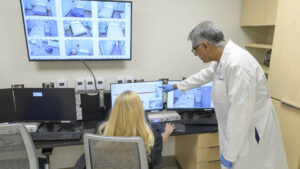
Natural language processing capabilities are advancing to the point where physician dictation and clinical notes can be automatically analyzed to suggest appropriate codes, though human oversight remains essential to ensure accuracy and clinical relevance. These tools are particularly valuable in trauma situations where rapid documentation is required and traditional coding processes might introduce delays.
Building a Culture of Coding Excellence
Successful trauma coding programs require more than just technology and training; they depend on creating a culture that recognizes the critical importance of accurate documentation and coding throughout the healthcare team. This cultural shift begins with education and extends through ongoing quality improvement initiatives that engage all stakeholders in the coding process.
Physician education plays a particularly crucial role, as accurate coding depends heavily on comprehensive and precise clinical documentation. When physicians understand how their documentation directly impacts coding accuracy, patient care quality metrics, and facility financial health, they are more likely to provide the detailed information necessary for optimal coding outcomes.
Regular auditing and feedback processes help maintain coding accuracy over time and identify areas where additional training or process improvements might be beneficial. These quality assurance activities should be viewed as opportunities for learning and improvement rather than punitive measures.
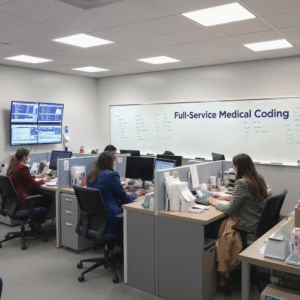
Collaboration between coders, physicians, nurses, and administrative staff creates a team-based approach that leverages the expertise of each group while ensuring that coding accuracy remains a shared responsibility. This collaborative model helps prevent the isolation of coding functions and promotes better understanding of how coding impacts the broader healthcare mission.
Future Considerations and Emerging Trends
The landscape of trauma coding continues to evolve with advances in medical knowledge, changes in regulatory requirements, and shifts in healthcare payment models. Staying current with these changes requires ongoing investment in training, technology, and process improvement initiatives.
Value-based payment models are placing increasing emphasis on quality outcomes and cost-effectiveness, making accurate trauma coding even more critical for financial sustainability. These payment models reward facilities that can demonstrate superior outcomes while managing costs effectively, both of which depend on accurate data capture through proper coding practices.
The growing emphasis on population health and prevention initiatives creates new opportunities for trauma centers to use coded data to contribute to community health improvement efforts. By sharing aggregated, de-identified trauma data with public health agencies, hospitals can support injury prevention programs that ultimately reduce the burden of traumatic injuries in their communities.
International standardization efforts in trauma coding may lead to improved data comparability across different healthcare systems and countries, potentially enabling more robust research initiatives and best practice sharing on a global scale.
Conclusion: The Path Forward
Accurate trauma coding represents a critical intersection where clinical excellence meets financial sustainability and quality improvement. The impact of precise coding extends far beyond administrative requirements to touch every aspect of trauma care delivery, from immediate patient treatment decisions to long-term research initiatives that advance the field of emergency medicine.
Healthcare facilities that invest in comprehensive trauma coding programs position themselves for success in an increasingly complex healthcare environment. These investments pay dividends through improved reimbursement, enhanced quality metrics, better research capabilities, and ultimately, the ability to continue providing life-saving trauma care to their communities.
The challenges of maintaining coding accuracy are significant, but the consequences of inaccurate coding – both for individual patients and for the broader healthcare system – make this investment essential. As healthcare continues to evolve toward value-based models that emphasize quality outcomes and cost-effectiveness, the importance of accurate trauma coding will only continue to grow.
Success in trauma coding requires a comprehensive approach that combines technology, training, culture change, and ongoing quality improvement. By recognizing trauma coding as a core competency rather than an administrative afterthought, healthcare facilities can ensure they are well-positioned to meet the challenges of modern trauma care while maintaining the financial stability necessary to serve their communities for years to come.
The future of trauma care depends not only on advances in medical technology and clinical techniques but also on the ability to accurately capture, analyze, and learn from the wealth of data generated by every trauma case. Accurate coding serves as the foundation for this data-driven approach to continuous improvement in trauma care, making it an investment in both current operations and future excellence.