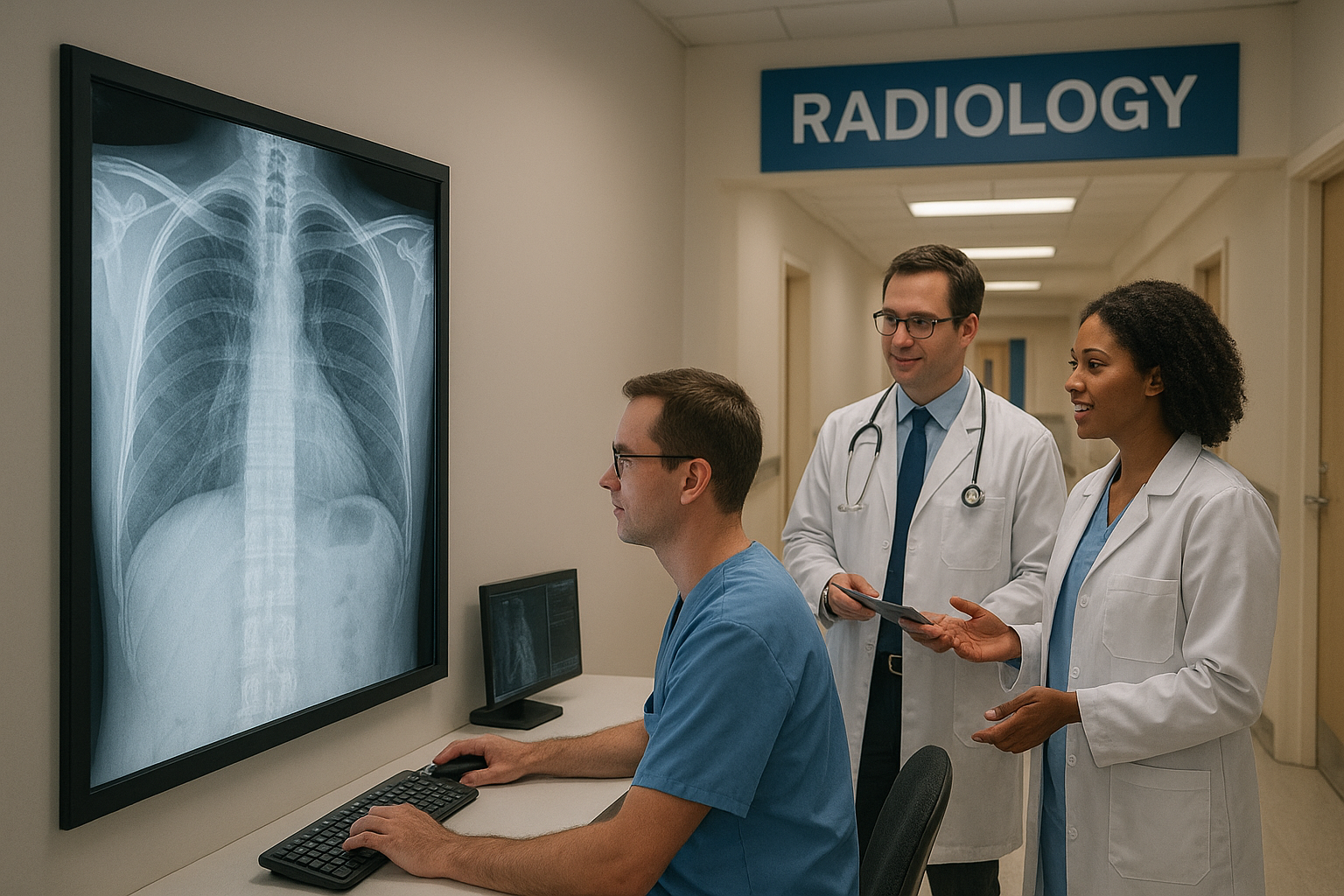
Compliance Best Practices for Radiology Departments: A Comprehensive Guide to Regulatory Excellence
Radiology Departments
Radiology Departments
In today’s complex healthcare landscape, radiology departments face an increasingly intricate web of regulatory requirements, quality standards, and compliance obligations. From HIPAA privacy protections to FDA equipment regulations, maintaining comprehensive compliance is not just a legal necessity—it’s fundamental to delivering safe, high-quality patient care. This guide explores the essential compliance best practices that every radiology department must implement to ensure regulatory adherence, operational excellence, and optimal patient outcomes.

Understanding the Regulatory Landscape
Radiology departments operate within a multi-layered regulatory environment that encompasses federal, state, and local requirements. The primary regulatory frameworks include the Health Insurance Portability and Accountability Act (HIPAA), the Food and Drug Administration (FDA) regulations for medical devices, the Centers for Medicare & Medicaid Services (CMS) conditions of participation, state licensing requirements, and accreditation standards from organizations like the American College of Radiology (ACR) and The Joint Commission.
Each of these regulatory bodies imposes specific requirements that directly impact daily operations. HIPAA mandates strict privacy and security protections for patient health information, while FDA regulations govern the safety and effectiveness of imaging equipment. CMS requirements focus on quality assurance and patient safety measures, and accreditation standards emphasize continuous quality improvement and professional competency.
HIPAA Compliance: Protecting Patient Privacy and Data Security
HIPAA compliance forms the cornerstone of radiology department operations, as imaging studies contain highly sensitive patient information. Effective HIPAA compliance begins with comprehensive staff training programs that educate all personnel about privacy rules, security requirements, and breach notification procedures. Every team member, from technologists to administrative staff, must understand their role in protecting patient information.
Access controls represent a critical component of HIPAA compliance. Implement role-based access systems that limit information access to the minimum necessary for job functions. Regular access reviews should be conducted to ensure permissions remain appropriate as roles change. Physical safeguards must secure areas where patient information is stored or accessed, including computer workstations, filing areas, and imaging suites.
Technical safeguards require robust IT security measures, including encryption for data transmission and storage, secure user authentication systems, and regular security updates for all systems. Establish clear policies for password management, automatic logoffs, and remote access procedures. Regular risk assessments should identify potential vulnerabilities and guide security enhancement efforts.
Equipment Compliance and Quality Assurance
Medical imaging equipment must meet stringent FDA requirements and undergo regular quality assurance testing. Develop comprehensive equipment maintenance programs that include daily quality checks, periodic calibrations, and preventive maintenance schedules. Maintain detailed records of all maintenance activities, performance tests, and any equipment issues or repairs.
Quality assurance protocols should encompass image quality assessments, radiation dose monitoring, and equipment performance evaluations. Establish clear procedures for handling equipment malfunctions, including immediate patient safety measures, repair protocols, and alternative imaging arrangements. Regular phantom testing and image quality reviews help ensure consistent diagnostic accuracy.

Personnel qualifications represent another crucial compliance element. Verify that all technologists maintain current certifications and continuing education requirements. Document competency assessments and specialized training for advanced procedures or equipment. Establish clear protocols for supervising students and new staff members during their orientation periods.
Radiation Safety and ALARA Principles
Radiation safety compliance requires adherence to “As Low As Reasonably Achievable” (ALARA) principles in all imaging procedures. Implement comprehensive radiation safety programs that include dose monitoring, optimization protocols, and regular safety training. Maintain detailed records of radiation exposure for both patients and staff, including individual dosimetry monitoring for radiation workers.
Develop procedure-specific protocols that optimize imaging parameters to minimize radiation exposure while maintaining diagnostic image quality. Regular dose audits should identify opportunities for further optimization and ensure compliance with diagnostic reference levels. Establish clear procedures for managing radiation incidents, including immediate response measures and reporting requirements.
Patient communication about radiation risks represents an important compliance consideration. Develop clear policies for discussing radiation exposure with patients, particularly for procedures involving higher doses or when multiple examinations may be needed. Ensure pregnant patients receive appropriate screening and counseling about radiation risks.
Documentation and Record-Keeping Excellence
Comprehensive documentation forms the foundation of effective compliance management. Establish standardized procedures for maintaining patient records, quality assurance documentation, staff credentialing files, and equipment maintenance logs. Electronic health record systems should include appropriate access controls, audit trails, and backup procedures to ensure data integrity and availability.
Quality assurance documentation must include detailed records of image quality assessments, equipment performance tests, and corrective actions taken when issues are identified. Staff documentation should encompass credentialing verification, continuing education records, competency assessments, and incident reports. Equipment documentation must include maintenance schedules, calibration records, and repair histories.
Incident reporting systems should capture all significant events, including equipment malfunctions, patient safety incidents, privacy breaches, and quality concerns. Develop clear reporting procedures that encourage staff participation while ensuring appropriate investigation and follow-up actions. Regular analysis of incident trends can identify systemic issues requiring corrective measures.
Staff Training and Competency Management
Effective compliance depends on well-trained, competent staff who understand their responsibilities and the importance of regulatory adherence. Develop comprehensive orientation programs for new employees that cover all relevant compliance requirements, departmental policies, and job-specific procedures. Regular refresher training should address regulatory updates, new procedures, and lessons learned from incidents or audits.
Competency assessment programs should evaluate both technical skills and compliance knowledge. Regular skills validation ensures staff members can perform procedures safely and effectively while maintaining regulatory compliance. Document all training activities and competency assessments to demonstrate ongoing professional development and regulatory adherence.
Create clear communication channels for staff to report compliance concerns or seek guidance on complex situations. Regular team meetings should include compliance updates and discussion of challenging cases or regulatory changes. Foster a culture of continuous improvement where staff members feel empowered to suggest process improvements or identify potential compliance risks.
Quality Improvement and Performance Monitoring
Implement robust quality improvement programs that continuously monitor performance against regulatory requirements and professional standards. Regular compliance audits should assess adherence to policies and procedures, identify areas for improvement, and ensure corrective actions are effective. Both internal audits and external reviews provide valuable insights into compliance effectiveness.

Performance metrics should include quality indicators such as repeat examination rates, patient satisfaction scores, equipment uptime, and compliance with turnaround time requirements. Regular trending analysis can identify patterns requiring intervention and guide resource allocation decisions. Benchmark performance against industry standards and peer organizations to identify opportunities for improvement.
Root cause analysis procedures should investigate significant incidents or trends to identify underlying factors contributing to compliance issues. Develop comprehensive corrective action plans that address both immediate concerns and systemic improvements needed to prevent recurrence. Regular follow-up assessments should verify the effectiveness of implemented solutions.
Technology Integration and Compliance
Modern radiology departments rely heavily on sophisticated technology systems that must maintain compliance with multiple regulatory requirements. Picture archiving and communication systems (PACS) must include appropriate access controls, audit trails, and disaster recovery capabilities. Integration with electronic health record systems should maintain data integrity and security while supporting efficient workflow processes.
Artificial intelligence and machine learning applications introduce new compliance considerations, including validation requirements, bias monitoring, and clinical decision support protocols. Establish clear governance frameworks for evaluating and implementing new technologies while maintaining regulatory compliance and clinical safety standards.
Cybersecurity measures become increasingly critical as radiology departments adopt cloud-based solutions and interconnected systems. Implement comprehensive cybersecurity programs that include regular vulnerability assessments, incident response procedures, and staff training on security best practices. Business associate agreements with vendors must clearly define security responsibilities and compliance requirements.
Preparing for Inspections and Audits
Regular preparation for regulatory inspections and accreditation surveys ensures readiness and demonstrates ongoing compliance commitment. Conduct mock surveys that simulate actual inspection processes and identify potential areas of concern. Develop comprehensive document repositories that provide easy access to all required compliance documentation during inspections.
Staff preparation should include training on inspection procedures, appropriate responses to inspector questions, and escalation protocols for complex issues. Designate specific individuals responsible for coordinating inspection activities and serving as primary contacts with regulatory bodies. Post-inspection follow-up procedures should address any identified deficiencies promptly and thoroughly.
Building a Culture of Compliance Excellence
Sustainable compliance requires more than policies and procedures—it demands a culture that values regulatory adherence as essential to patient care quality and safety. Leadership commitment must be visible and consistent, with appropriate resources allocated to support compliance activities. Recognition programs should celebrate compliance achievements and continuous improvement efforts.

Regular communication about compliance successes, challenges, and regulatory updates keeps compliance visible and relevant to daily operations. Encourage staff input on compliance processes and potential improvements, fostering ownership and engagement in regulatory adherence. Continuous learning opportunities should help staff stay current with evolving requirements and best practices.
Conclusion
Effective compliance management in radiology departments requires comprehensive attention to multiple regulatory frameworks, continuous monitoring of performance, and unwavering commitment to patient safety and quality care. By implementing these best practices, radiology departments can achieve regulatory excellence while supporting optimal patient outcomes and operational efficiency.
Success in compliance management demands ongoing attention, regular assessment, and continuous improvement efforts. The investment in comprehensive compliance programs pays dividends through reduced regulatory risks, improved patient safety, enhanced operational efficiency, and sustained accreditation status. As the regulatory landscape continues to evolve, departments that maintain robust compliance foundations will be best positioned to adapt successfully while continuing to deliver exceptional patient care.
The journey toward compliance excellence requires dedication from all team members, from department leadership to front-line staff. By fostering a culture that values compliance as integral to professional practice, radiology departments can achieve sustainable regulatory adherence while advancing their mission of providing high-quality diagnostic imaging services to the communities they serve.