Why Radiology Groups Outsource Their Coding Services: A Strategic Decision for Modern Healthcare
Coding Services
Coding Services
In today’s rapidly evolving healthcare landscape, radiology groups face mounting pressures to maintain efficiency, accuracy, and profitability while delivering exceptional patient care. One strategic decision that has gained significant traction among successful radiology practices is the outsourcing of medical coding services. This shift from in-house coding to external partnerships represents more than just a cost-cutting measure—it’s a comprehensive approach to optimizing operations, improving revenue cycles, and ensuring compliance with ever-changing regulatory requirements.

The Growing Complexity of Radiology Coding
Medical coding in radiology has become increasingly sophisticated over the past decade. The transition from ICD-9 to ICD-10 brought about a dramatic increase in code specificity, with diagnostic codes expanding from approximately 13,000 to over 68,000. Similarly, Current Procedural Terminology (CPT) codes continue to evolve, with new imaging procedures and technologies requiring precise coding knowledge that extends far beyond basic medical terminology.
Radiology coding demands specialized expertise in multiple areas. Coders must understand complex anatomical structures, differentiate between various imaging modalities, and accurately interpret radiologist reports to assign appropriate codes. They must also stay current with modifier usage, bundling rules, and payer-specific requirements that can vary significantly across different insurance providers.
The introduction of new imaging technologies, such as advanced MRI sequences, specialized CT protocols, and emerging interventional radiology procedures, requires continuous education and training. Each new procedure or technology may introduce unique coding challenges that require specialized knowledge to navigate correctly.
Cost Efficiency and Financial Optimization
One of the primary drivers behind the decision to outsource radiology coding is the significant cost savings it offers. Maintaining an in-house coding department requires substantial investment in multiple areas that extend well beyond basic salaries. When radiology groups calculate the total cost of in-house coding, they must consider not only coder salaries but also benefits, payroll taxes, office space, equipment, software licenses, and ongoing training costs.
The financial commitment becomes even more substantial when considering the need for redundancy and coverage. A single in-house coder creates a vulnerability—vacation time, sick leave, or employee turnover can create significant backlogs that directly impact cash flow. To maintain consistent productivity, groups often need multiple coders, which multiplies these costs significantly.
Outsourcing transforms these fixed costs into variable expenses that scale with the practice’s volume. During slower periods, costs decrease proportionally, while busy times are handled without the need to hire temporary staff or pay overtime. This flexibility is particularly valuable for seasonal practices or those experiencing growth fluctuations.
Moreover, outsourcing eliminates the hidden costs associated with employee turnover. The medical coding industry experiences relatively high turnover rates, and the costs of recruiting, hiring, and training replacement coders can be substantial. Outsourcing partners absorb these costs and maintain consistent service levels regardless of individual employee changes.
Access to Specialized Expertise and Certification
Professional coding companies invest heavily in recruiting and retaining highly qualified coders with specialized certifications relevant to radiology. These certifications, such as the Certified Coding Specialist (CCS), Certified Professional Coder (CPC), and specialized radiology coding credentials, represent significant investments in education and ongoing maintenance.
Outsourcing partners typically employ coders who focus exclusively on radiology, developing deep expertise in the nuances of radiological procedures and diagnoses. This specialization level is often difficult to achieve with in-house staff who may need to code for multiple specialties or handle other administrative responsibilities.

These specialized coding companies also maintain relationships with professional organizations and stay current with industry best practices through continuous education programs. Their coders attend specialized training sessions, participate in professional development activities, and have access to expert resources that might be cost-prohibitive for individual radiology groups to provide.
The depth of expertise extends beyond basic coding knowledge to include understanding of complex reimbursement scenarios, appeals processes, and payer-specific requirements. This comprehensive knowledge base helps optimize revenue capture and minimize denials.
Scalability and Flexibility Advantages
Radiology practices experience natural fluctuations in volume due to various factors including seasonal patterns, equipment maintenance schedules, and changes in referral patterns. Outsourcing provides the flexibility to handle these variations without the constraints of fixed staffing levels.
During high-volume periods, outsourcing partners can quickly allocate additional resources to prevent backlogs from developing. This scalability ensures that coding doesn’t become a bottleneck in the revenue cycle, maintaining steady cash flow even during busy periods. Conversely, during slower periods, practices aren’t paying for unused capacity.
This flexibility extends to handling sudden changes in practice needs. Whether expanding services, adding new locations, or integrating acquired practices, outsourcing partners can rapidly adjust their support levels to accommodate growth without the delays associated with recruiting and training new in-house staff.
The scalability also applies to technology changes and upgrades. When practices implement new electronic health records systems or upgrade existing technology, outsourcing partners typically have experience with multiple platforms and can adapt quickly to new workflows.
Technology and Infrastructure Benefits
Professional coding companies invest significantly in advanced technology infrastructure that might be cost-prohibitive for individual radiology groups. This includes sophisticated coding software, quality assurance systems, secure data transmission capabilities, and comprehensive reporting tools.
These technology investments provide several advantages beyond basic coding functionality. Advanced quality assurance systems can identify potential coding errors before claims submission, reducing denial rates and improving first-pass acceptance rates. Comprehensive reporting tools provide detailed analytics about coding patterns, productivity metrics, and revenue optimization opportunities.
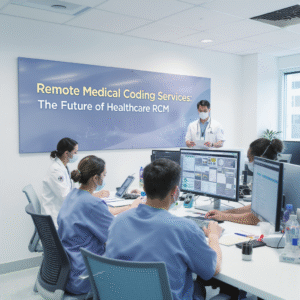
Outsourcing partners also maintain robust cybersecurity measures and compliance protocols that ensure patient data protection and regulatory compliance. These security measures require significant ongoing investment and expertise that can be challenging for smaller practices to maintain independently.
The technology infrastructure typically includes redundant systems and disaster recovery capabilities that ensure business continuity even during unexpected events. This reliability is crucial for maintaining consistent revenue flow and meeting regulatory requirements.
Enhanced Focus on Core Competencies
By outsourcing coding functions, radiology groups can redirect their internal resources toward activities that directly impact patient care and practice growth. Administrative staff can focus on patient scheduling, customer service, and care coordination rather than spending time on coding-related tasks.
This refocusing allows radiologists to concentrate on their primary expertise—interpreting images and providing clinical value to referring physicians and patients. The reduced administrative burden can improve job satisfaction and potentially reduce burnout among clinical staff.
Practice administrators can dedicate more time to strategic planning, business development, and operational improvements rather than managing coding staff and dealing with coding-related issues. This strategic focus can lead to improved practice performance and growth opportunities.
Compliance and Risk Management
The healthcare regulatory environment continues to evolve, with increasing scrutiny on coding accuracy and compliance. Professional coding companies maintain dedicated compliance teams that monitor regulatory changes and ensure that coding practices remain current with the latest requirements.
These compliance programs typically include regular audits, ongoing education, and quality assurance measures that help identify and correct potential issues before they result in regulatory problems. The expertise and resources dedicated to compliance often exceed what individual practices can maintain internally.
Risk management extends beyond regulatory compliance to include areas such as claim denial management, appeals processes, and payer relations. Professional coding companies often have established relationships with major payers and understand the specific requirements and preferences of different insurance providers.
Quality Assurance and Accuracy Improvements
Professional coding companies implement comprehensive quality assurance programs that typically exceed what individual practices can maintain. These programs include multiple levels of review, ongoing accuracy monitoring, and continuous improvement processes.

The accuracy improvements achieved through professional coding services often result in reduced denial rates, faster payment cycles, and improved overall revenue capture. The quality assurance processes help identify patterns that might indicate training needs or process improvements.
Many outsourcing partners provide detailed quality metrics and regular reporting that gives practices visibility into coding accuracy and performance trends. This transparency allows practices to monitor service quality and identify opportunities for improvement.
Considerations and Potential Challenges
While outsourcing offers numerous advantages, radiology groups should carefully evaluate potential challenges and considerations. Communication coordination requires clear protocols and regular interaction to ensure that coding accurately reflects clinical intent and practice preferences.
Data security and privacy concerns require careful vendor selection and comprehensive agreements that address HIPAA compliance and other regulatory requirements. Practices must ensure that outsourcing partners maintain appropriate security measures and protocols.
Quality control requires ongoing monitoring and regular communication to ensure that coding standards meet practice expectations. Clear performance metrics and regular review processes are essential for successful outsourcing relationships.
Cost considerations should include not just the direct service fees but also the costs of coordination, quality assurance, and any technology integration requirements. A comprehensive cost-benefit analysis should consider both direct and indirect costs and benefits.
Making the Strategic Decision
The decision to outsource radiology coding services represents a strategic choice that can significantly impact practice efficiency, profitability, and growth potential. Successful radiology groups increasingly view outsourcing not as a cost-cutting measure but as an investment in professional expertise, technology, and operational efficiency.
When evaluating outsourcing options, radiology groups should consider factors including the provider’s radiology-specific expertise, technology capabilities, quality assurance programs, compliance record, and ability to scale with practice needs. References from other radiology practices and detailed service level agreements are crucial components of the evaluation process.
The most successful outsourcing relationships are built on clear communication, well-defined expectations, and regular performance monitoring. Practices that invest time in selecting the right partner and establishing effective working relationships typically achieve the greatest benefits from outsourcing their coding services.
Conclusion
The outsourcing of radiology coding services represents a strategic decision that can provide significant advantages in terms of cost efficiency, expertise access, scalability, and operational focus. As the healthcare landscape continues to evolve, radiology groups that leverage professional coding services position themselves to adapt more effectively to changing requirements while maintaining focus on their core mission of providing exceptional patient care.
The success of outsourcing initiatives depends on careful partner selection, clear communication protocols, and ongoing relationship management. For radiology groups willing to invest in these foundational elements, outsourcing coding services can provide a competitive advantage that supports both immediate operational improvements and long-term strategic growth.
In an increasingly complex healthcare environment, the question for many radiology groups is not whether to outsource coding services, but rather how to select and manage outsourcing relationships that maximize value and support practice objectives. The practices that recognize outsourcing as a strategic partnership rather than simply a vendor relationship typically achieve the greatest long-term success and sustainability.