Top 5 Mistakes in Colonoscopy & Endoscopy Coding: A Guide for Healthcare Professionals
Coding
Coding
Medical coding for colonoscopy and endoscopy procedures is a critical component of healthcare revenue cycle management, yet it remains one of the most challenging areas for coding professionals. The complexity of these procedures, combined with frequent updates to coding guidelines and the nuanced differences between various endoscopic interventions, creates numerous opportunities for costly errors.
Accurate coding is essential not only for proper reimbursement but also for maintaining compliance with federal regulations and avoiding potential audit issues. When coding errors occur, healthcare facilities face delayed payments, claim denials, and in severe cases, allegations of fraud or abuse. Understanding the most common pitfalls in colonoscopy and endoscopy coding can help healthcare organizations implement better quality assurance measures and improve their overall coding accuracy.
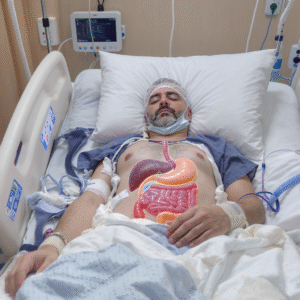
The stakes are particularly high in gastroenterology coding, where procedures often involve multiple components, various anatomical sites, and different levels of complexity. A single colonoscopy might include diagnostic examination, polyp removal, biopsy collection, and therapeutic interventions, each requiring precise code selection and appropriate modifier usage.
Mistake #1: Incorrect CPT Code Selection for Screening vs. Diagnostic Procedures
One of the most frequent and costly mistakes in colonoscopy coding involves the improper distinction between screening and diagnostic procedures. This error stems from a fundamental misunderstanding of how patient symptoms, findings, and procedure intent affect code selection.
Screening colonoscopies are performed on asymptomatic patients for cancer detection and prevention, typically following established guidelines for average-risk or high-risk individuals. These procedures use specific CPT codes such as 45378 for diagnostic colonoscopy or 45380-45385 for colonoscopy with interventions when performed as screening procedures.
Diagnostic colonoscopies, conversely, are performed to investigate specific symptoms, follow up on abnormal findings, or evaluate known conditions. These procedures require different CPT codes and often have different reimbursement rates and patient cost-sharing requirements.
The confusion often arises when a screening procedure reveals findings that require intervention. For example, if a routine screening colonoscopy discovers polyps that are subsequently removed, coders must determine whether the procedure should be coded as screening with findings or as a diagnostic procedure. The key distinction lies in the original intent of the procedure and the presence of symptoms before the examination.
Medicare and most insurance providers have specific guidelines dictating when a procedure qualifies as screening versus diagnostic. Screening procedures typically have different coverage criteria, reduced or eliminated patient cost-sharing, and specific frequency limitations. Diagnostic procedures may require prior authorization and involve different deductible applications.
Common scenarios that lead to coding errors include patients who develop symptoms between scheduling and the procedure date, procedures performed earlier than recommended screening intervals due to family history, and cases where incidental findings from other imaging studies prompt colonoscopy evaluation.
To avoid this mistake, coding professionals should carefully review the physician’s documentation for the procedure indication, patient symptoms, and the clinical decision-making process. Clear communication between clinical staff and coders is essential to ensure accurate capture of the procedure’s primary purpose.
Mistake #2: Improper Use of Modifiers and Multiple Procedure Coding
Modifier usage in endoscopy coding represents another significant source of errors, particularly when multiple procedures are performed during the same session or when bilateral examinations occur. The complexity of modifier rules, combined with frequent policy changes, creates numerous opportunities for incorrect application.
Modifier 59 (Distinct Procedural Service) is often misused in endoscopy coding. This modifier should only be applied when procedures are truly distinct and not considered bundled under the National Correct Coding Initiative (NCCI) edits. Many coders inappropriately apply this modifier to increase reimbursement without meeting the strict criteria for its use.
Modifier 53 (Discontinued Procedure) applies when a procedure is started but discontinued due to extenuating circumstances. Proper documentation must support the use of this modifier, including clear indication of why the procedure could not be completed and at what point the discontinuation occurred.
Multiple endoscopy rule complications arise when several endoscopic procedures are performed during the same session. Medicare and most payers apply specific payment reductions to secondary procedures, and understanding which procedure should be considered primary versus secondary requires careful analysis of the relative value units assigned to each code.
Bilateral procedure coding becomes relevant in procedures involving paired organs or structures. While not always applicable in gastroenterology, certain endoscopic procedures may require bilateral modifier usage, and incorrect application can result in significant reimbursement errors.
The challenge is compounded when procedures are performed on different anatomical sites during the same session. For example, both upper endoscopy and colonoscopy performed on the same date require careful consideration of modifier usage and potential bundling rules.
Professional coders must stay current with payer-specific policies regarding modifier usage, as these can vary significantly between Medicare, Medicaid, and commercial insurers. Regular training and policy updates are essential to maintain coding accuracy in this complex area.
Mistake #3: Inadequate Documentation Leading to Unsupported Code Selection
Documentation deficiencies represent perhaps the most preventable yet persistent problem in endoscopy coding. Inadequate clinical documentation directly impacts code selection accuracy and can result in claim denials, audit failures, and compliance issues.
Polyp documentation requires specific details including size, location, morphology, and removal technique. Vague descriptions such as “small polyp removed” lack the specificity needed for accurate coding. Proper documentation should include measurements in millimeters, anatomical location using accepted terminology, and detailed description of the removal method.
Biopsy documentation must clearly indicate the number of specimens obtained, specific anatomical locations sampled, and clinical indications for tissue collection. Multiple biopsies from the same general area may not support separate procedure codes, while biopsies from distinct anatomical sites might qualify for individual coding.
Incomplete procedure documentation occurs when physicians fail to adequately describe the extent of examination performed. For colonoscopy, documentation must indicate whether the entire colon was visualized, identify any limitations to complete examination, and describe the quality of preparation. Upper endoscopy documentation should specify which anatomical structures were examined and any limitations encountered.
Procedural complexity documentation becomes critical when selecting between basic and complex procedure codes. Advanced techniques, unusual patient anatomy, or significant technical difficulties should be clearly documented to support higher-level code selection.
The relationship between clinical documentation and coding accuracy cannot be overstated. Even the most skilled coder cannot select appropriate codes without adequate physician documentation. Healthcare organizations must implement robust documentation improvement programs, including physician education, real-time documentation queries, and regular audit feedback.
Electronic health record systems can help standardize documentation through templates and required fields, but they cannot replace the need for detailed, patient-specific clinical descriptions. Physicians must understand that their documentation directly impacts revenue cycle performance and regulatory compliance.
Mistake #4: Confusion Between Upper and Lower Endoscopy Procedures
The anatomical complexity of the gastrointestinal tract creates frequent confusion in endoscopy coding, particularly regarding the boundaries between upper and lower endoscopic procedures and the appropriate code families for different anatomical sites.
Upper endoscopy procedures (esophagogastroduodenoscopy or EGD) involve examination of the esophagus, stomach, and duodenum using the 43235-43259 CPT code range. These procedures access the upper gastrointestinal tract through the mouth and require specific coding consideration for interventions performed at each anatomical level.
Lower endoscopy procedures encompass colonoscopy (45378-45398), flexible sigmoidoscopy (45330-45350), and anoscopy (46600-46615). Each procedure type has distinct anatomical boundaries and specific coding requirements based on the extent of examination performed.
Anatomical boundary confusion often occurs at the junction between upper and lower procedures. The ligament of Treitz represents the traditional boundary between upper and lower gastrointestinal endoscopy, but clinical scenarios sometimes blur these distinctions. Procedures involving the small bowel, particularly capsule endoscopy and deep enteroscopy, require careful code selection based on the specific technique used and anatomical areas examined.

Retrograde procedures such as ERCP (endoscopic retrograde cholangiopancreatography) involve accessing the biliary and pancreatic systems through upper endoscopy but require specialized coding consideration. These procedures use the 43260-43278 code range and have unique documentation and coding requirements.
Combination procedures performed during the same session, such as EGD and colonoscopy, require careful attention to modifier usage and potential bundling restrictions. Understanding when these procedures can be coded separately versus when they might be considered components of a more comprehensive examination is crucial for accurate coding.
The solution to this common mistake involves thorough understanding of gastrointestinal anatomy, clear communication between clinical and coding staff, and ongoing education about the specific code ranges applicable to different endoscopic procedures. Anatomical charts and coding reference materials should be readily available to coding professionals working in gastroenterology.
Mistake #5: Failure to Stay Current with Annual CPT and ICD-10 Updates
The rapidly evolving landscape of medical coding presents ongoing challenges for endoscopy coding professionals. Annual updates to CPT codes, ICD-10 diagnosis codes, and payer policies require constant attention and adaptation to maintain coding accuracy.
CPT code changes occur annually and can significantly impact endoscopy coding practices. New codes may be introduced for emerging technologies, existing codes might be revised or deleted, and code descriptors could be modified to reflect current medical practice. Failure to implement these changes promptly results in claim denials and potential compliance issues.
ICD-10 diagnosis coding updates affect the diagnosis codes used to support endoscopy procedures. Changes in code specificity requirements, new code additions, and modifications to existing codes must be incorporated into coding practices. The connection between diagnosis and procedure coding is particularly critical in endoscopy, where medical necessity must be clearly established.

Medicare policy changes occur throughout the year and can dramatically impact coding and reimbursement for endoscopy procedures. Local Coverage Determinations (LCDs) and National Coverage Determinations (NCDs) may be updated, revised, or newly issued, requiring immediate attention and implementation.
Commercial payer policy variations add another layer of complexity, as different insurance companies may have varying policies regarding endoscopy coding, coverage criteria, and reimbursement methodologies. Staying current with multiple payer requirements while maintaining consistent coding practices presents ongoing challenges.
Technology advancement in endoscopy continues to drive coding changes. New therapeutic techniques, diagnostic technologies, and minimally invasive procedures require ongoing evaluation and potential new code development. Coders must understand how these advances impact existing coding practices and when new coding approaches might be required.
The solution requires establishing robust processes for staying current with coding changes, including subscription to official coding resources, participation in professional organizations, regular training programs, and systematic implementation of annual updates. Healthcare organizations should designate specific personnel responsible for monitoring coding changes and implementing necessary updates throughout the organization.
Top 5 Mistakes in Colonoscopy & Endoscopy Coding
Medical coding for colonoscopies and endoscopies requires precision and attention to detail. These procedures involve complex documentation requirements and multiple CPT codes that can easily be misapplied. Understanding the most common coding errors can help medical coders improve accuracy, ensure proper reimbursement, and maintain compliance with healthcare regulations. Here are the five most critical mistakes that occur in colonoscopy and endoscopy coding, along with detailed explanations and solutions.
Mistake #1: Confusing Screening vs. Diagnostic Procedures
The Problem: One of the most frequent and costly errors in colonoscopy coding is the misclassification of screening versus diagnostic procedures. This confusion often stems from changes in procedure intent during the examination or inadequate documentation review.
Why This Happens: A procedure may begin as a screening colonoscopy but become diagnostic when abnormalities are discovered. Coders sometimes fail to recognize this transition or lack clear documentation from the physician about the procedure’s primary purpose. Additionally, patient symptoms or family history may automatically classify a procedure as diagnostic rather than screening, regardless of the original intent.
The Impact: Incorrect classification affects patient coverage, as screening procedures typically have different insurance benefits than diagnostic ones. Medicare and most insurance plans cover screening colonoscopies at 100% with no deductible, while diagnostic procedures may require copayments or deductibles. This misclassification can lead to unexpected patient bills, claim denials, and compliance issues.
The Solution: Always review the complete medical record, including the physician’s notes about procedure intent, patient history, and any symptoms present before the procedure. Establish clear communication protocols with physicians to ensure proper documentation of procedure purpose. When a screening procedure becomes diagnostic due to findings, use the appropriate screening code (such as G0121 or 45378 with PT modifier) rather than switching to a diagnostic code, as payer policies often dictate that the original intent determines the coding.
Mistake #2: Incorrect Use of Modifiers
The Problem: Endoscopy and colonoscopy procedures often require specific modifiers to indicate circumstances such as bilateral procedures, discontinued services, or multiple procedures performed during the same session. Coders frequently misapply these modifiers or fail to use them when necessary.
Common Modifier Errors:
- Modifier 53 (Discontinued Procedure): Used incorrectly when procedures are completed but with limited scope
- Modifier 59 (Distinct Procedural Service): Misapplied when procedures are not truly separate and distinct
- Modifier 33 (Preventive Services): Incorrectly applied to diagnostic procedures
- Modifier PT (Colorectal Cancer Screening): Used inappropriately on diagnostic colonoscopies
Why This Happens: The complexity of modifier rules and the specific circumstances that warrant their use create confusion. Additionally, inadequate documentation from physicians about procedure circumstances makes it difficult for coders to determine appropriate modifier usage.
The Solution: Develop comprehensive modifier guidelines specific to endoscopy procedures and ensure all coding staff receive regular training updates. Create documentation templates that prompt physicians to clearly indicate when procedures are discontinued, when multiple distinct procedures are performed, and the specific circumstances of each intervention. Regularly audit modifier usage to identify patterns of errors and provide targeted education.
Mistake #3: Unbundling Procedures That Should Be Coded Together
The Problem: Many endoscopic procedures include multiple components that should be reported with a single comprehensive code. Coders sometimes incorrectly separate these bundled services, leading to overcoding and compliance violations.
Common Unbundling Errors:
- Coding separately for scope insertion and withdrawal when included in the primary procedure
- Billing for basic visualization separately from therapeutic interventions
- Separating pre-procedure preparation from the main procedure code
- Coding multiple polypectomy techniques separately when performed on the same polyp
Understanding Bundled Services: CPT guidelines specify which services are included in endoscopy codes. For example, diagnostic endoscopy is included in surgical endoscopy of the same anatomical site during the same session. Similarly, fluoroscopic guidance is typically included in many endoscopic procedures and should not be coded separately unless specifically allowed.
The Solution: Maintain current knowledge of CPT bundling rules and National Correct Coding Initiative (NCCI) edits that apply to endoscopy procedures. Use encoder software that flags potential bundling issues and regularly review coding edits updates. Establish procedures for reviewing all codes assigned to each case to ensure compliance with bundling requirements before claim submission.
Mistake #4: Inadequate Documentation Support for Medical Necessity
The Problem: Proper coding requires adequate documentation to support the medical necessity and complexity of procedures performed. Many coding errors stem from insufficient documentation that fails to justify the codes selected or support the level of service provided.
Documentation Deficiencies:
- Incomplete polyp descriptions (size, location, histology when available)
- Lack of clear indication for procedure (symptoms, screening schedule, surveillance)
- Insufficient detail about technique used for therapeutic interventions
- Missing information about procedure complexity or complications encountered
- Inadequate description of anatomical landmarks reached
Impact on Coding: Without proper documentation, coders cannot accurately select the most appropriate codes, leading to either overcoding (which creates compliance risk) or undercoding (which results in lost revenue). Insurance companies increasingly scrutinize endoscopy claims, making comprehensive documentation essential for successful reimbursement.
The Solution: Implement standardized documentation templates that ensure capture of all necessary elements for proper coding. Provide regular education to physicians about documentation requirements and how they impact coding accuracy. Establish a feedback loop between coders and physicians when documentation is insufficient, and create processes for query resolution before claim submission.
Mistake #5: Misunderstanding Multiple Polyp Removal Coding Rules
The Problem: When multiple polyps are removed during a single colonoscopy session, specific coding rules apply that many coders find confusing. This leads to incorrect code selection and potential compliance violations.
Coding Rules for Multiple Polyps:
- When polyps are removed using the same technique, code only once for the highest complexity removal
- When different techniques are used, multiple codes may be appropriate with proper modifiers
- The number of polyps removed doesn’t determine the number of codes used
- Location of polyps affects coding decisions in some circumstances
Common Errors:
- Coding each polyp removal separately regardless of technique used
- Failing to use appropriate modifiers when multiple techniques are employed
- Misunderstanding the “same session” rule for multiple procedures
- Incorrectly applying quantity modifiers to polyp removal codes
Documentation Challenges: Physicians sometimes provide incomplete information about polyp characteristics, removal techniques, and anatomical locations, making it difficult for coders to apply the correct rules.
The Solution: Develop clear protocols for coding multiple polyp removals based on current CPT guidelines and payer policies. Create educational materials that help physicians understand how their documentation affects coding for these complex scenarios. Implement quality assurance processes that specifically review multiple polyp removal cases for coding accuracy and compliance with established rules.
Best Practices for Avoiding These Mistakes
Continuous Education: Stay current with annual CPT code updates, payer policy changes, and regulatory modifications that affect endoscopy coding. Attend coding seminars, participate in professional organizations, and maintain coding certifications to ensure ongoing competency.
Quality Assurance Programs: Implement regular auditing processes that focus on these common error areas. Use both internal audits and external reviews to identify patterns of mistakes and measure improvement over time. Track key performance indicators such as denial rates, appeal success rates, and compliance scores.
Communication Enhancement: Establish clear communication channels between coders, physicians, and billing staff to ensure everyone understands their role in accurate coding. Create feedback mechanisms that allow for continuous improvement in documentation and coding practices.
Technology Utilization: Leverage coding software, encoder tools, and electronic health record systems to provide decision support and reduce manual errors. Implement alerts and checks that flag potential coding issues before claim submission.
Documentation Improvement: Work with clinical staff to develop comprehensive documentation practices that support accurate coding. Provide regular feedback about documentation quality and its impact on coding accuracy and reimbursement.
By understanding and actively working to prevent these five common mistakes, medical coding professionals can significantly improve their accuracy in colonoscopy and endoscopy coding, leading to better compliance, improved reimbursement, and reduced claim denials. The key lies in maintaining current knowledge, implementing strong quality assurance processes, and fostering excellent communication between all stakeholders in the revenue cycle process.
Best Practices and Prevention Strategies
Implementing comprehensive prevention strategies can significantly reduce coding errors and improve overall accuracy in colonoscopy and endoscopy coding. These strategies should address both technical coding competencies and organizational processes.
Regular education and training programs should be mandatory for all coding professionals working with endoscopy procedures. These programs should cover anatomical review, current coding guidelines, payer policy updates, and case study analysis. Both initial training for new coders and ongoing education for experienced professionals are essential components of a successful coding quality program.
Documentation improvement initiatives must involve active collaboration between physicians, nursing staff, and coding professionals. Regular feedback sessions, documentation queries for unclear cases, and physician education about coding requirements help ensure adequate clinical documentation supports accurate code selection.
Quality assurance processes should include regular audit programs, both internal and external, to identify coding patterns and potential problem areas. These audits should focus not only on accuracy but also on consistency and completeness of coding practices. Feedback from audit results should drive targeted education and process improvement initiatives.
Technology utilization through computer-assisted coding, automated code suggestions, and integrated documentation systems can help reduce coding errors while improving efficiency. However, technology should supplement, not replace, skilled coding professional judgment and clinical understanding.

Professional development support including certification maintenance, conference attendance, and continuing education opportunities helps coding professionals stay current with industry developments and maintain high professional standards.
By focusing on these five common mistakes and implementing comprehensive prevention strategies, healthcare organizations can significantly improve their colonoscopy and endoscopy coding accuracy, reduce claim denials, and maintain regulatory compliance while optimizing revenue cycle performance. The investment in proper coding education, documentation improvement, and quality assurance processes pays dividends through improved financial performance and reduced compliance risks.
Success in endoscopy coding requires ongoing commitment to excellence, continuous learning, and attention to the complex details that distinguish accurate from inaccurate coding practices. Healthcare organizations that prioritize coding quality create sustainable competitive advantages while providing better patient care through improved administrative accuracy.